Pollution Liability Hiding in Plain Sight: A Commercial-Lines Growth Opportunity
When independent agents hear “environmental insurance,” they may think about chemical manufacturers, waste-processing facilities or large remediation contractors.
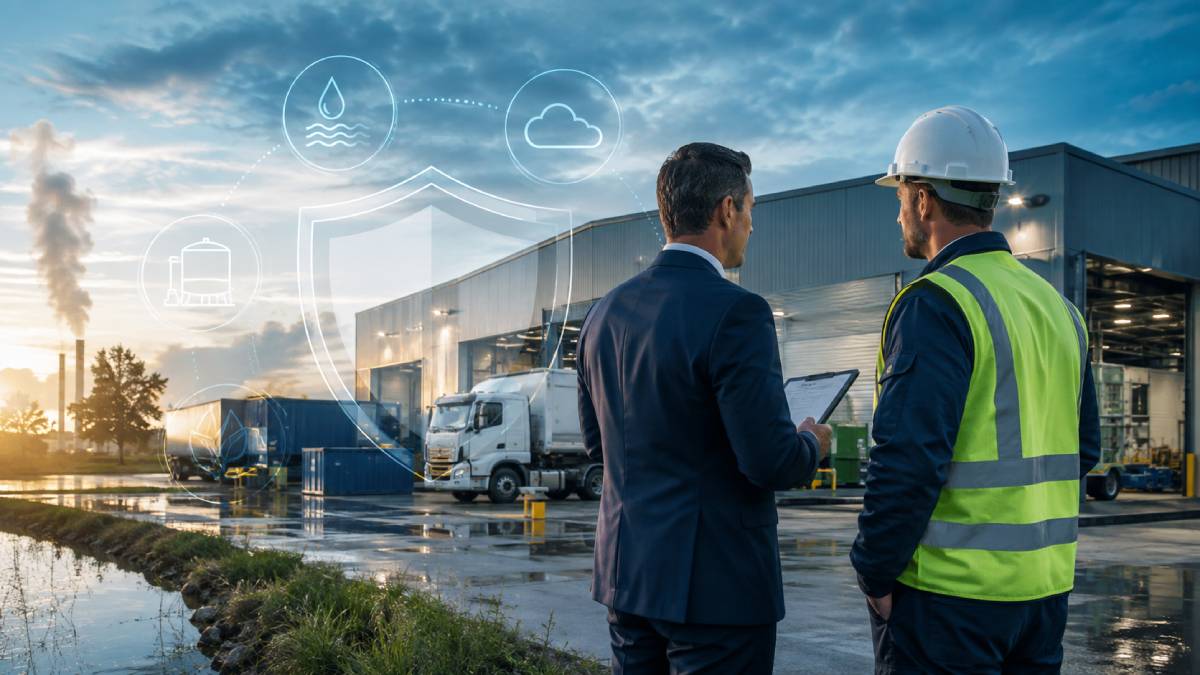
Those businesses clearly face environmental risks, but pollution exposures are not limited to companies that describe themselves as environmental businesses.
Contractors, property owners, manufacturers, restoration companies, distributors and many other organizations can create or encounter pollution conditions during ordinary operations.
Standard commercial insurance policies may exclude or provide limited coverage for pollution-related losses. Environmental casualty coverage is designed to provide affirmative protection for certain bodily injury, property damage and cleanup expenses resulting from pollution events.
For independent agents, identifying these exposures can protect clients while opening a valuable commercial-lines growth opportunity.
Pollution Risk Is Broader Than Many Clients Realize
A pollution event does not need to involve a dramatic chemical spill.
Potential exposures can include:
- Fuel released from equipment
- Mold discovered during renovation
- Contaminated soil disturbed during excavation
- Waste transported to the wrong location
- Paints, solvents or adhesives released at a job site
- Water intrusion that leads to microbial growth
- Storage-tank leaks
- Silica dust generated during construction
- Contaminated runoff
- Fumes or airborne contaminants
- Improper disposal of materials
- Pollution originating from a client’s product
Many clients assume their general liability or property policy will respond. That assumption may not match the actual policy language.
The agent’s role is not to promise whether a hypothetical claim will be covered. It is to identify the exposure, review the client’s current policies and involve an environmental specialist when necessary.
Start With Contractors
Contractors can create pollution exposures at third-party job sites even when environmental work is not their primary service.
Potential candidates include:
- General contractors
- Demolition contractors
- Excavation companies
- Plumbers
- HVAC contractors
- Roofers
- Restoration companies
- Concrete and masonry contractors
- Tank installers
- Waste haulers
- Fire and water remediation companies
- Environmental consultants
- Solar contractors
A demolition contractor, for example, may disturb asbestos, lead, contaminated soil or hidden storage tanks. A plumbing contractor may encounter mold or wastewater. A restoration company may handle damaged materials that release pollutants.
Recent industry guidance notes that some combined environmental forms may accommodate contractors whose primary business is not environmental but who perform incidental environmental services.
Review Fixed-Facility Exposures
Environmental coverage can also be relevant for businesses that own, lease or operate a fixed location.
Examples include:
- Manufacturers
- Warehouses
- Recycling facilities
- Agricultural operations
- Commercial property owners
- Fuel distributors
- Auto-service businesses
- Wastewater operations
- Paint and coating businesses
- Renewable-energy facilities
- Food-processing companies
- Industrial property owners
A pollution condition at an owned or leased location can lead to cleanup costs, third-party property damage, bodily injury allegations, business interruption and regulatory involvement.
Historical contamination can also create problems during a property sale, refinancing transaction or redevelopment project.
Understand the Major Coverage Components
Environmental programs can combine several forms of protection. Actual names, terms and availability vary by insurer.
Contractors pollution liability
Contractors’ pollution liability may respond to certain pollution conditions caused by contracting operations at third-party job sites.
Pollution legal liability
Also called site pollution or premises pollution coverage, pollution legal liability generally addresses pollution exposures connected to scheduled owned or leased locations.
Transportation pollution liability
This coverage may address certain pollution events during the transportation, loading or unloading of cargo or waste.
Professional environmental liability
This can address certain economic damages arising from professional environmental services, subject to policy terms.
Products pollution liability
This may provide affirmative protection when a product creates a covered pollution condition that results in bodily injury, property damage or cleanup expenses.
Non-owned disposal-site coverage
A company may remain exposed to cleanup allegations involving waste sent to a third-party disposal facility. Some environmental programs can include protection for qualifying non-owned disposal-site liabilities.
Environmental package policies may combine general liability with contractors pollution liability, professional liability or other environmental coverages.
Ask Better Questions
A traditional commercial application may not reveal the full exposure.
Agents should consider asking:
- Does the client store, transport, use or dispose of chemicals, fuels or waste?
- Could the client disturb contaminated soil, asbestos, lead or mold?
- Does the client work at third-party job sites?
- Does the business perform restoration, demolition or remediation?
- Are materials transported by the client or subcontractors?
- Does the client own or lease industrial property?
- Are there aboveground or underground tanks?
- Could the client’s product create a pollution condition?
- Where is waste taken after it leaves the job site?
- Has the client ever had a spill, environmental complaint or regulatory notice?
The answers can help determine whether an environmental specialist should review the account.
Watch the Details
Environmental policies can vary significantly.
Important considerations may include:
- Claims-made versus occurrence-based coverage
- Retroactive dates
- Shared limits
- Defense expenses
- Mold or fungi definitions
- Bacteria coverage
- Transportation provisions
- Non-owned disposal sites
- Natural-resource damage
- Professional-services definitions
- Coverage territory
- Cleanup-cost provisions
- Products pollution
- Known-condition exclusions
- PFAS exclusions
- Silica exclusions
- Wildfire or climate-related exclusions
The 2026 environmental casualty guidance highlights shared limits, policy endorsements and exclusions involving issues such as mold, bacteria, silica, PFAS and defense costs as areas requiring careful review.
Agents should work with experienced wholesale brokers or environmental specialists rather than treating pollution coverage as a simple add-on.
Turn the Coverage Review Into a Growth Strategy
Pollution liability can help an independent agency deepen existing commercial relationships.
Begin by reviewing clients in higher-potential categories and creating a simple campaign:
- Identify accounts with possible environmental exposures.
- Send a short educational email.
- Add environmental questions to annual reviews.
- Train producers and account managers on warning signs.
- Develop a specialist referral or wholesale-market process.
- Document recommendations and client decisions.
- Include environmental coverage in industry-specific checklists.
This approach can lead to additional policies, stronger client relationships and more complete account protection.
It can also differentiate the agency from competitors that focus only on standard property, auto, general liability and workers compensation.
Carrier and Specialty-Market Access Matters
Environmental insurance is a specialized market. Agencies need access to knowledgeable underwriters, wholesalers and carrier partners that understand complex commercial risks.
Agents United helps independent agencies expand their market reach through carrier relationships, Access Plus placement options, commercial-lines education and support from experienced insurance professionals.
Pollution exposure is often hiding inside otherwise familiar accounts. Independent agents who learn to identify it can bring greater value to clients while creating a new path for commercial-lines growth.
Coverage descriptions in this article are general. Availability and coverage depend on the insurer, jurisdiction, application, endorsements, exclusions and specific policy language.